Local detail
When to Call Someone
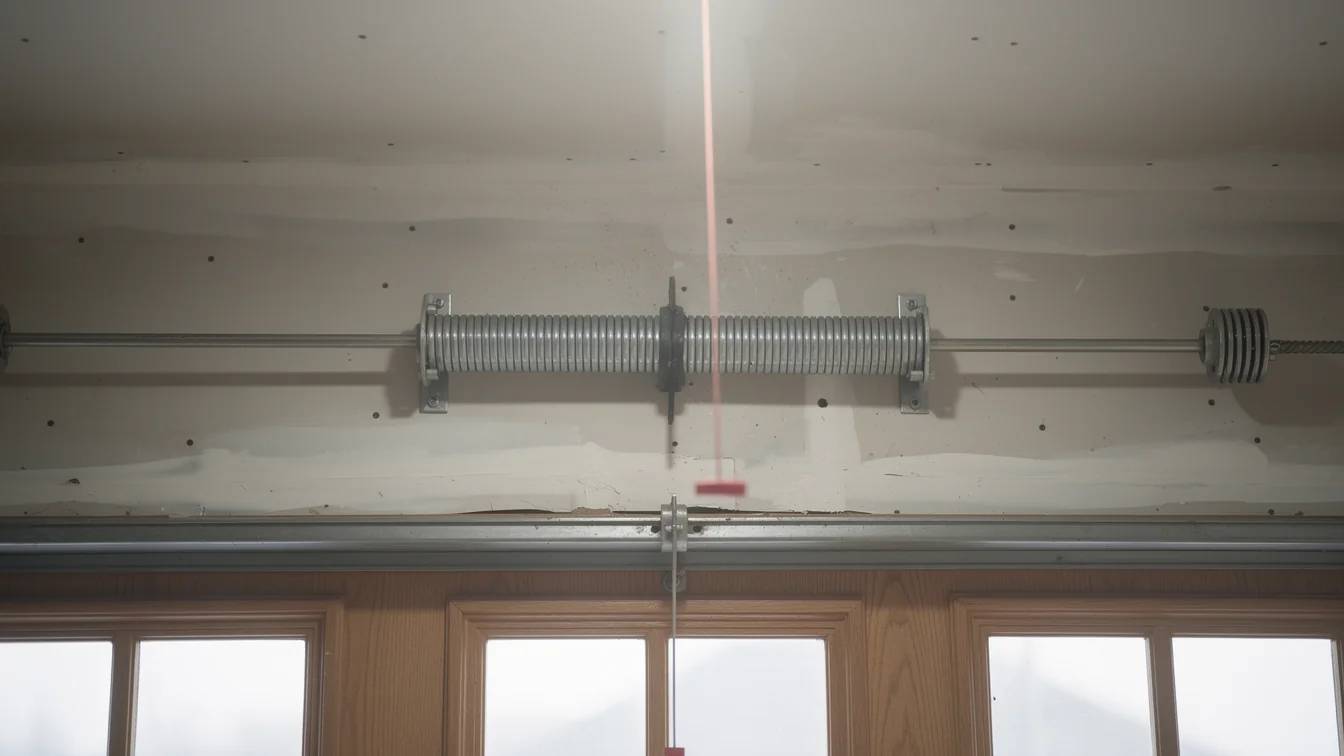
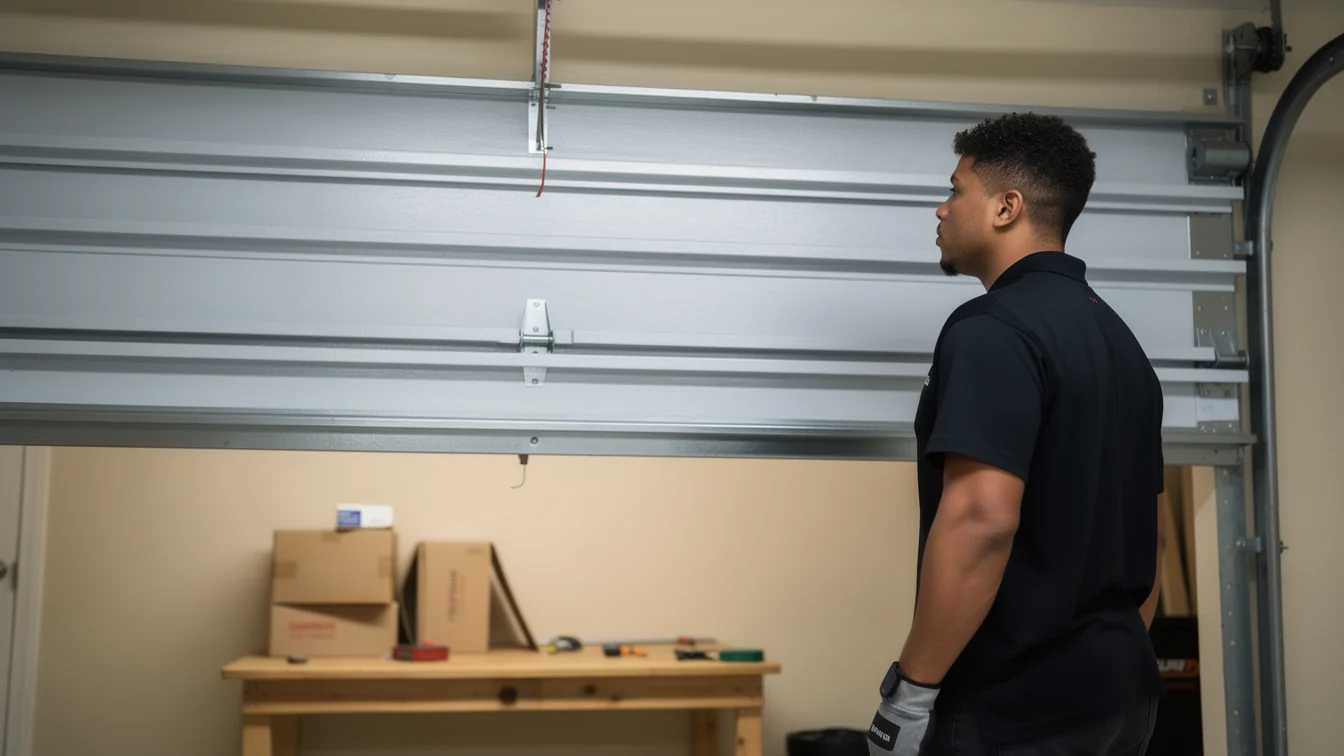
A door that grinds, pops, or bangs isn't being dramatic for no reason. In a house built in the 1980 median range common across this area, a loud bang on the way up or down is almost always a torsion spring giving out after decades of cycles, not a quirky noise to live with. If you hear a rhythmic thump once per rotation, that's usually a flat spot on a roller or a bent track bracket, and it gets worse, not better, if you ignore it.
Call right away if the door drops instead of lowering smoothly, if a cable looks frayed or loose, or if the opener strains and reverses partway through a cycle. Those are safety issues, not maintenance footnotes. A squeak on an otherwise smooth-running door can usually wait a week for a lube job. A door that slams the last six inches cannot. We don't recommend DIY spring work on these older torsion setups - the stored tension in a spring sized for a door this age is enough to put someone in the hospital, and that's one job worth the call.
The area
The Seasonal Bit
Agoura Hills sits in a mild temperate band, so we don't get the freeze-thaw cycles that crack weatherstripping or seize openers the way colder climates do. That's the good news - your hardware isn't fighting ice every winter. The noise patterns here come from something steadier: heat cycling on metal track and hardware that's now 25 to 45 years old depending on which of the area's twelve named subdivisions you're in.
Warm days expand steel tracks slightly; cool nights contract them back. On a newer door that's nothing. On original 1970s-90s track that's loosened at the mounting bolts over the decades, that small daily flex is enough to create a tick or a rattle that shows up mid-afternoon and quiets down by evening. It's not a seasonal emergency like ice-locked doors elsewhere - it's slow wear showing up as sound before it shows up as failure.
What we find
What Local Conditions Do
With housing stock here running mostly 1967-1999 and plenty of it dating to the 1980 median, a big share of the original hardware in this service area is well past its rated cycle count. Torsion springs are built for a set number of open-close cycles, and a door that's been running daily since the Carter or Reagan administration has usually spent that budget. The mild climate hasn't been hard on the metal the way salt air or deep freeze would be elsewhere - but age doesn't care about climate. A spring doesn't know it's had an easy winter.
Across the roughly 15,842 owner-occupied houses in this service area, the pattern repeats: original rollers wearing down to steel-on-steel contact, original openers with worn gears that whine before they fail outright, and track alignment drifting slightly after enough years of thermal flex. None of this is dramatic. It's just mechanical time catching up with houses built before most current homeowners owned them.
How we work
What Is Going On
Put plainly: the sounds you're hearing are usually the door telling you where it is in its life, not a random glitch. A squeal on the rollers means dry bearings. A grinding opener gear means the plastic gear inside the unit is shaving itself down - common on openers from the 80s and 90s that are still running on original motors. A loud snap followed by the door going slack means a spring has broken, full stop.
We work across this stretch of the valley, including areas like Oak Park and Westlake Village nearby, and the pattern of original 1980s-era hardware reaching end of life holds pretty consistently across the twelve named neighborhoods in this service area. Household incomes here run higher than a lot of surrounding areas, which means more homeowners replace rather than patch once a door's hardware is clearly original-to-the-house - but that's a call worth making with actual eyes on the door, not a guess over the phone.
Talk to a local pro
Garage door trouble in Agoura Hills?
Same-day service with honest, upfront quotes.